

A wooded lot can be a memorable feature, but buyers also need to see how the property is maintained and used. These six updates help Sandy Springs sellers make paths, drainage, outdoor spaces, lighting, and trees easier to appreciate—before the first showing.
Start With the Approach and the Landscape
Mature trees and a sloped yard can give a home a distinctive setting. When it is time to sell, the goal is not to erase that character; it is to make the route to the front door inviting and help buyers understand the land around the house.
1. Refresh the curb appeal
Begin at the street and walk toward the entrance as a visitor would. Clear leaves from the driveway and steps, trim plants that crowd the walkway, and consider a fresh layer of mulch where beds look tired. Clean the front door, windows, and visible exterior surfaces so the home—not the maintenance list—gets the attention.

Keep improvements proportional to the property and your budget. A neat entrance, an easy-to-read house number, and a clear view of the doorway can be more useful than a costly landscape redesign. Avoid removing healthy vegetation simply to create a more open look; thoughtful pruning can retain the wooded setting while improving visibility.
2. Address drainage before it becomes a question
On a sloped lot, look closely at where water travels after rain. Clean gutters and downspouts, clear debris from visible drainage paths, and check for standing water or soil washing toward the house. If you notice persistent moisture, erosion, or a drainage feature you do not understand, consult a qualified professional rather than covering up the symptom.
Keep invoices and descriptions of relevant work together. Buyers may ask about water management, and a clear account of what you observed and addressed is more helpful than a quick cosmetic fix. Discuss known conditions and disclosure obligations with your agent.
After a rainfall, walk the lot and look for pooling, clogged downspouts, and washed-out soil. Those observations can help you decide whether to call a drainage professional before listing.
3. Give mature trees professional attention
Remove small fallen branches and accumulated debris, but leave work near large limbs, roofs, or power lines to qualified professionals. An arborist can assess trees that appear damaged or raise concerns and recommend appropriate care. Check applicable local requirements before significant pruning or removal.
Records of completed work can be useful during a sale, especially when a buyer asks how the trees have been maintained. Keep the natural canopy where practical: the objective is to present a cared-for property, not make promises about the future condition of any tree.
Make Outdoor Living Spaces Easy to See
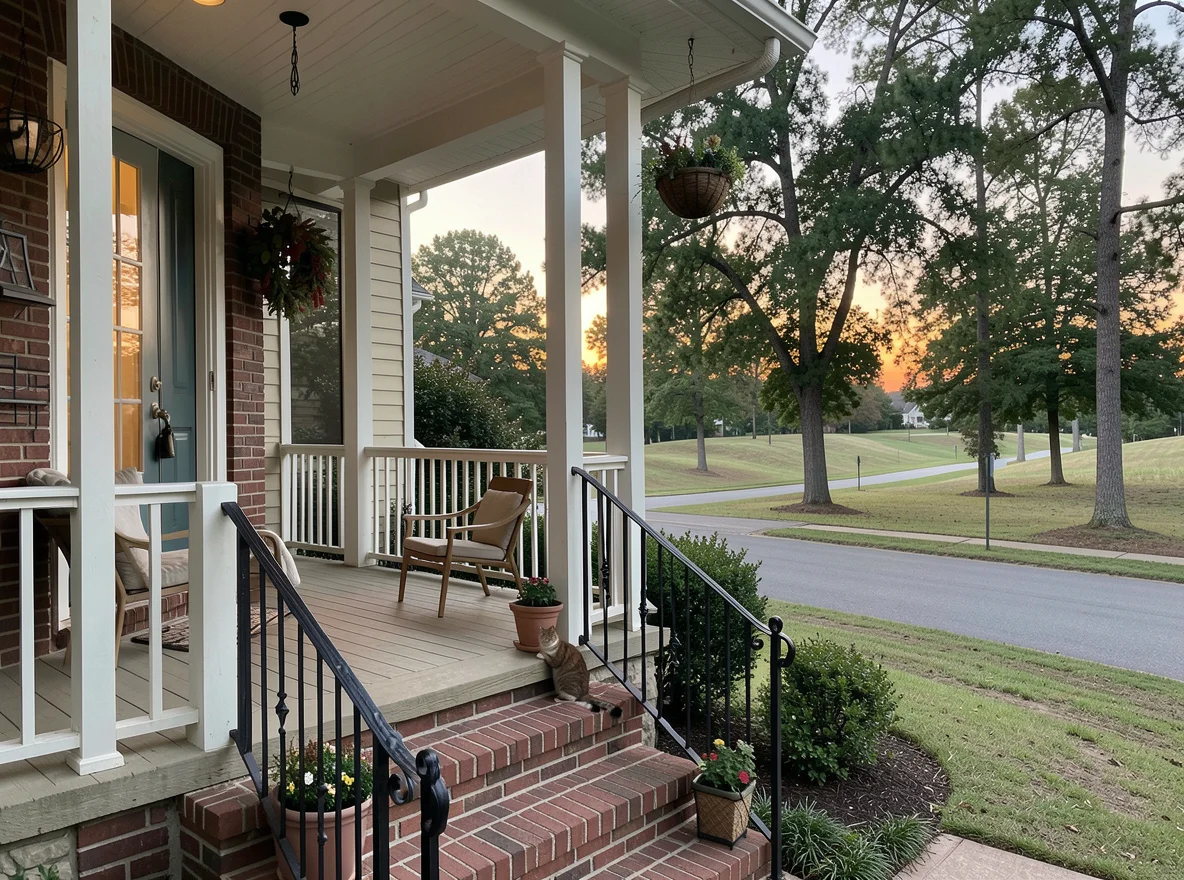
A deck or screened porch can help buyers picture how the home connects to its setting. Start by clearing these areas and checking their condition, then make enough room for visitors to move through them comfortably during a showing.
4. Clean and inspect the deck
Sweep away leaves, clean the surface using a method suitable for its material, and move excess furniture or planters. Check for loose boards, unstable railings, and deteriorated steps. Have a qualified contractor evaluate or repair concerns, particularly where a deck is elevated or its structure is difficult to inspect from above.
If the finish is worn, ask whether cleaning, a targeted repair, or refinishing makes sense before committing to a full replacement. A simple seating arrangement can show the available space without obscuring the deck or its connection to the yard.
5. Make the screened porch feel usable
Wash accessible screens, clear cobwebs, and repair damaged screening or doors that do not close properly. Remove stored items that hide the floor area, and wipe down furniture and fixtures. If the porch has a pleasant view into the trees, arrange furnishings so visitors can notice it without having to navigate around clutter.
Check for moisture stains or other visible concerns and investigate their cause rather than merely painting over them. As with deck work, keep receipts for meaningful repairs and be prepared to discuss known conditions.
6. Layer in practical lighting
Tree cover can make an entrance or interior room feel dim, even during the day. Replace burned-out bulbs, clean light fixtures, and open window coverings before photographs and showings. Consistent, warm lighting can help rooms feel connected while still allowing the natural setting to remain visible.
Outside, make sure existing entry, porch, and pathway lights work. Focus on illuminating changes in elevation and the route to the door without flooding the yard with light. Hire a qualified electrician for wiring or fixture work beyond routine bulb replacement.
Choose Improvements With Pricing in Mind
Before undertaking a major project, compare its cost and likely effect on presentation with the rest of your sale plan. Repairs that address a visible problem may deserve priority over a purely decorative upgrade. Ask contractors for estimates, consider your timeline, and discuss which projects are sensible for your particular home; no individual update guarantees a higher sale price.
Pricing deserves the same property-specific approach. A comparative market analysis can examine recent comparable sales, competing listings, location, condition, layout, and lot features. For a wooded or sloped property, differences in usable outdoor space, maintenance, and access may matter when comparing homes. List prices are not the same as sold prices, and an online estimate may not reflect the details a visitor sees.
Brett Ross can help review the property and discuss a pricing strategy alongside your preparation priorities. Revisit the plan as new comparable information becomes available and consider how buyer feedback relates to both presentation and price.
Prepare for Showings, Offers, and Closing
Once the work is complete, gather warranties, permits where applicable, contractor receipts, and information about systems or improvements. For photographs and showings, clear walkways, remove personal clutter, turn on appropriate lights, and make decks and porches accessible. Arrange a showing schedule that gives visitors a reasonable opportunity to see the property while respecting your own availability.
When offers arrive, look beyond the headline price. Financing terms, contingencies, requested concessions, earnest money, proposed closing date, and any deadlines can affect the overall offer. Brett can help you compare the terms and consider how each one fits your plans, including the possibility of inspection requests or an appraisal that comes in below the contract price.
After accepting an offer, track the contract deadlines, coordinate access for inspections and appraisal, and keep receipts for any agreed repairs. Plan for moving, utility arrangements, and the transfer of keys, and review the closing documents and estimated proceeds with the appropriate professionals. Georgia closings involve an attorney; ask the closing attorney about any document or title questions.
A successful preparation plan is not about making a wooded home look like a different property. It is about presenting its features clearly, addressing concerns thoughtfully, and giving buyers the information they need. If you are considering a sale in Sandy Springs, Brett Ross is available to discuss the home, your timing, and practical next steps.