

The right Atlanta home is rarely a matter of finding everything on one wish list. Comparing BeltLine access, commute, space, and total costs before you tour can help you recognize which compromises are worth making—and which are not.
Start With the Life You Want Your Home to Support
A home near a favorite trail may mean a different budget or layout than a property farther from the city center. Before comparing listings, think about how you spend an ordinary week: where you travel, how you use your rooms, and what you want to do outdoors. These seven questions turn a broad search into a practical plan.

1. How important is immediate BeltLine access? Decide whether you want to reach the trail on foot, prefer a short drive, or simply value having access somewhere in your broader routine. Visit the specific entry points you would use, and check the route from a prospective home rather than relying on a listing’s description of proximity.
Consider what you might give up for that convenience. A smaller interior, less outdoor space, a different parking arrangement, or a higher monthly payment may be acceptable if you will use the trail often. If not, a home with access to another park or recreation option might serve you better.
Compare the commute you will actually make
2. How much travel time fits your routine? Test routes at the times you expect to travel, including trips to work, errands, and activities. Compare driving with any transit options that are useful to you, and account for parking or the trip to a station. A map’s distance alone does not tell you what a recurring journey will feel like.
Atlanta, Brookhaven, Sandy Springs, Duluth, and Forsyth can offer different starting points for a search, but the experience depends on the particular address and destination. Visit at more than one time of day when possible. A home that looks convenient on a weekend tour may feel different during your usual travel window.
Before a tour, map the route from the home’s actual address to your most frequent destinations at the times you expect to travel.
Decide what space needs to do
3. Would you rather have more room or a location closer to your activities? Square footage is useful, but the layout deserves just as much attention. Think about storage, a workspace, guest accommodations, and whether the rooms can adapt as your needs change. A smaller home with a flexible floor plan may work harder than a larger one with rooms you rarely use.
Write down the features you cannot reasonably change, such as location or lot size, alongside those you might improve later. Then rank your preferences as essentials, strong preferences, and extras. That list gives you a consistent way to compare homes instead of letting a striking kitchen or a large yard make every decision for you.
Put the Full Cost Beside the Wish List
A purchase price is only the beginning of the financial picture. For buyers considering homes around $500,000 to $1 million, the same payment target can translate into different options depending on financing, taxes, insurance, association fees, and the property’s condition. Establish your own comfortable range before you become attached to a listing.
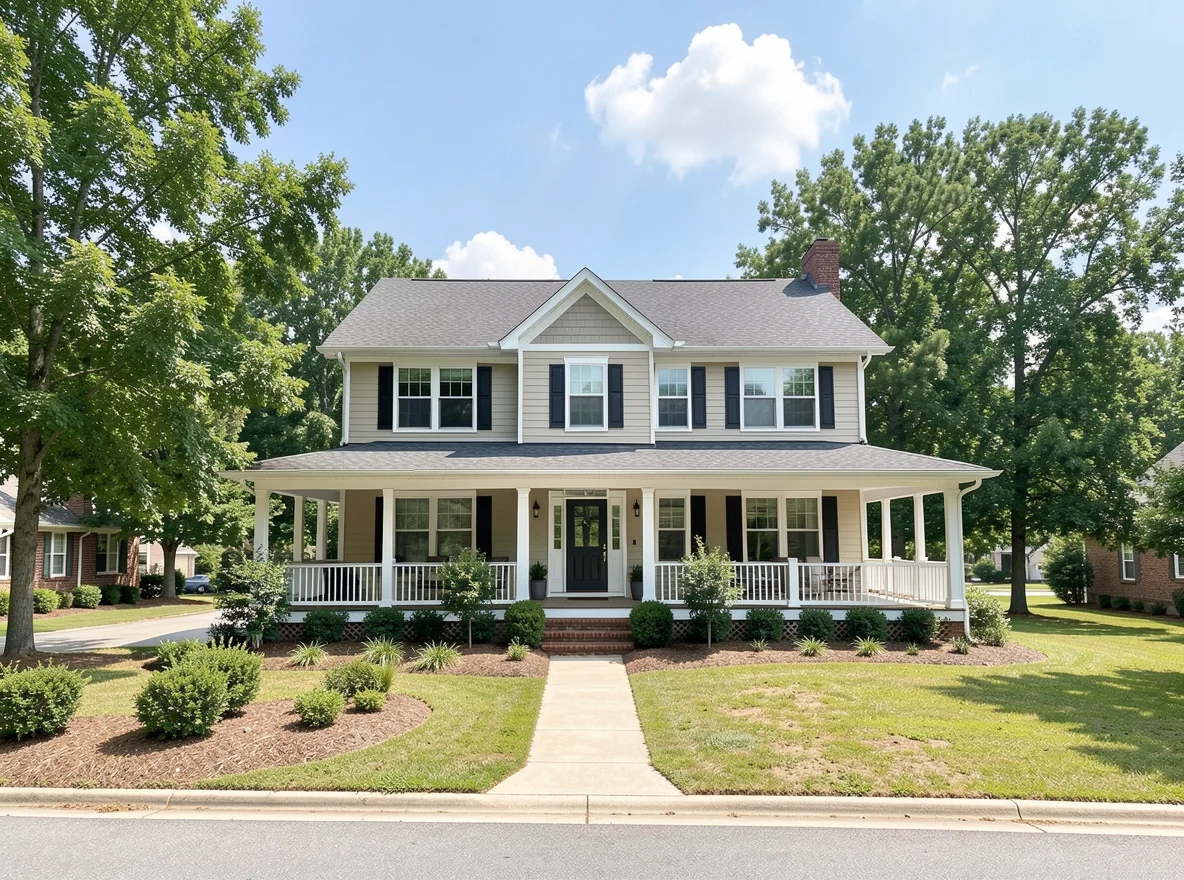
4. What monthly payment and cash commitment feel comfortable? A lender can help you compare loan options and estimate payments, but your approval amount is not necessarily your personal spending limit. Include principal and interest, property taxes, homeowners insurance, any mortgage insurance, and applicable homeowners association fees in your calculations.
Plan for the down payment, closing costs, moving expenses, and a reserve for maintenance or unexpected repairs. If you are selling another home, discuss how the timing and proceeds could affect your purchase. Your lender and financial advisers can help you consider options without assuming a sale will close on a particular date or at a particular price.
Get pre-approved before serious touring. Be ready to share the financial documents your lender requests, ask how long the approval is valid, and learn what could change it. Avoid assuming that a quoted payment includes every property-specific expense; confirm the details for each home you are considering.
Look beyond the finished surfaces
5. How much renovation are you willing to take on? An updated home may reduce the work you face immediately, while a property needing improvements may offer an opportunity to make choices over time. Neither option is automatically less expensive. Separate cosmetic projects from repairs involving the roof, systems, drainage, or structure.
Ask qualified contractors for estimates when possible, allow for uncertainty, and consider the disruption as well as the cost. If a project is central to your decision, check whether permits, association rules, or other restrictions could affect it. Do not assume a planned addition or renovation will be approved.
A lower purchase price is not necessarily a lower-cost choice once repairs, financing, and the time needed to complete work are considered.
Compare the responsibilities of each home type
6. Do you want a detached home, a townhome, or a condo? Each can offer a different balance of interior space, outdoor area, maintenance, and shared amenities. Look closely at what belongs to the owner, what an association maintains, and what rules apply to the property. Fees and responsibilities vary by community.
For a property with an association, request the governing documents, budget, and available information about assessments and planned work. Review them with appropriate professionals and ask questions before your applicable contract deadlines. For a detached home, think about the ongoing cost and effort of caring for the roof, yard, and exterior yourself.
Tour With a Plan and Prepare to Act
7. What outdoor access do you need at home—and nearby? A private yard, balcony, shared courtyard, neighborhood park, and multiuse trail serve different purposes. Think about how often you would use each one and what maintenance you are willing to handle. Explore the route to the amenities that matter to you, rather than treating every green space as interchangeable.
When you tour, use the same short checklist for each property. Record the commute, layout, condition, outdoor options, estimated monthly costs, and questions for follow-up. Take another look at your priorities after a few showings; it is reasonable to adjust them as you learn what is available in your price range.
Build an offer around more than price
When a home fits, ask your agent to review comparable properties and current conditions before deciding what to offer. Price matters, but financing, the proposed closing date, contingencies, and the seller’s priorities can also shape a proposal. Discuss the risks and benefits of each term rather than assuming you need to give up protections to be competitive.
Pay close attention to contract deadlines and earnest money requirements. An appraisal may affect financing, and a lender can explain what happens if the appraised value differs from the agreed price. Keep your lender informed as you refine your offer so the terms reflect financing you are prepared to pursue.
Use inspections to make an informed decision
A professional inspection can help you understand a home’s condition, though it cannot predict every future problem. Depending on the property and your concerns, you may also want specialists to evaluate particular systems or conditions. Read the reports carefully, obtain follow-up estimates when appropriate, and discuss repair requests or other options with your agent within the contract’s timelines.
Before closing, review your loan and closing documents, arrange insurance, and plan a final walkthrough with your agent. Confirm that the property’s condition and any agreed-upon work match the contract, and bring unresolved questions to the appropriate professionals promptly.
Choose Guidance That Fits Your Search
Ask a prospective buyer’s agent how they communicate, help compare properties, approach negotiations, and coordinate the steps between contract and closing. Discuss the terms of representation and compensation before signing an agreement. You should understand what services are included and feel comfortable asking questions throughout the process.
Brett Ross is a Keller Williams agent serving Atlanta and the surrounding area. Whether you are weighing a BeltLine-accessible home against more space elsewhere or comparing properties in Duluth, Sandy Springs, Brookhaven, and Forsyth, a conversation can help you turn your priorities into a focused search.